
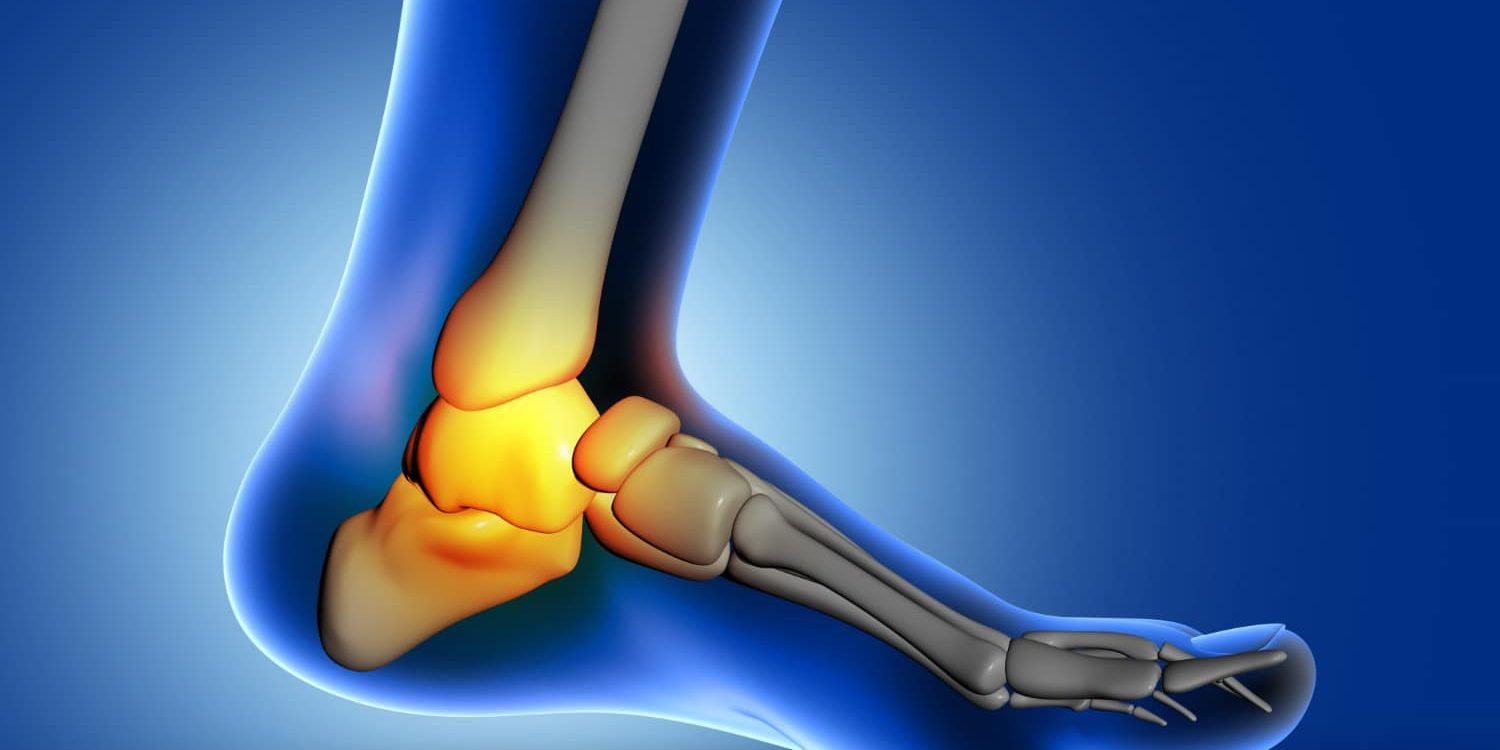
Foot deformities—such as bunions, hammertoes, or flat feet—can cause chronic pain and affect your mobility. In response, many people turn to over-the-counter devices known asfoot bone correctors to relieve pain and realign the foot.
But how effective are these non-surgical tools? Can acorrector of foot bones actually fix structural deformities—or are they just temporary relief?
AtAbacoa Podiatry & Leg Vein Center inJupiter, FL, our expert podiatrists often receive questions about whether devices like toe straighteners, arch braces, or bunion splints are genuinely worthwhile. In this blog, we’ll provide a detailed, evidence-based look at these tools—and whether surgery might be the better long-term option.
What Is a Foot Bone Corrector?
Afoot bone corrector refers to any non-surgical device intended to realign or support the bones of the foot. These products are often marketed to people dealing with:
Common types of foot bone correctors include:
- Toe spacers or bunion splints
- Arch supports or insoles.
- Night splints
- Orthopedic braces
- Corrective socks or compression wraps
The goal is to reduce pain, improve alignment, and prevent worsening deformities—all without surgery. Which treatment is proper for you? Speak with our podiatric team atAbacoa Podiatry in Jupiter, FL, for a custom foot evaluation.
Do Foot Bone Correctors Actually Work?
The short answer is:they can help, but they donot permanently fix bone deformities.
Mostfoot bone correctors offertemporary relief by:
- Reducing pressure or friction
- Realigning toes during use
- Supporting fallen arches
- Improving walking posture
- Reducing swelling or pain
However, these devicesdo not reverse bone deformities, especially in moderate-to-severe cases. For example:
- Abunion splint may reduce discomfort, but won’t realign the metatarsal bone causing the bunion.
- Arch supports can help with flat feet, but they won’t rebuild the tendons or ligaments needed for permanent structural correction.
- Toe spacers may temporarily improve appearance, but won’t maintain lasting changes once removed.
These tools are best used as part of acomprehensive conservative care plan, but not as a cure for structural foot conditions.
When Are Foot Correctors Helpful?
Foot bone correctors may be beneficial in the following cases:
1. Early-Stage Deformities
For mild bunions or slight hammertoe, correctors can reduce progression and discomfort, especially when combined with proper footwear.
2. Post-Surgical Support
Some podiatrists recommend splints or orthotics after surgery to maintain alignment and reduce the risk of recurrence.
3. Pain Management
Patients not ready for surgery may use these devices fordaily relief, especially during long hours on their feet.
4. Preventive Care
Athletes, seniors, or people with family histories of foot deformities can use these tools to prevent issues from worsening.
When Correctors Fall Short: The Limits of Non-Surgical Tools
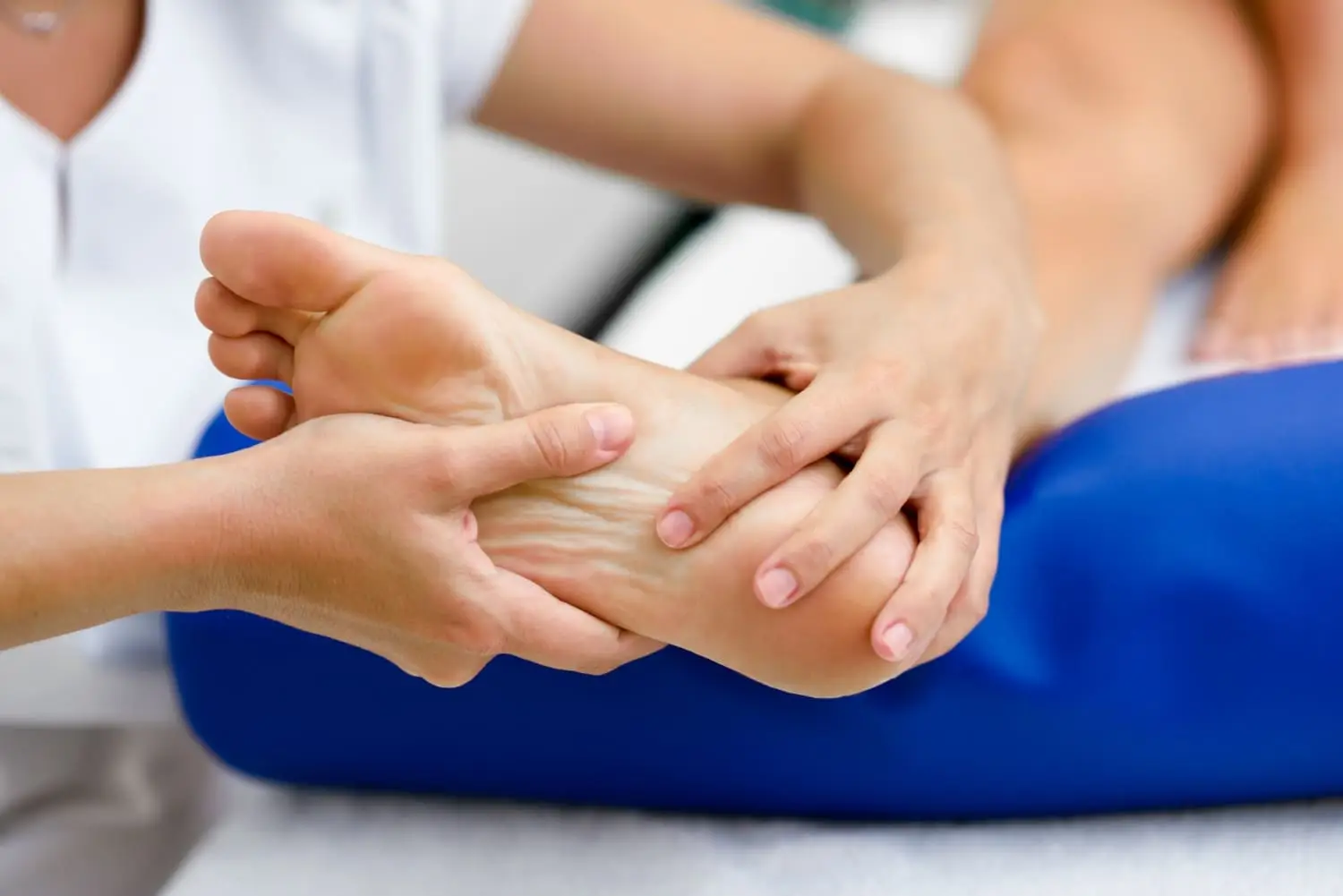
While some people get temporary relief from a foot bone corrector, many experiencefrustration when symptoms continue—or worsen.
Here’s why correctors are not always enough:
- Theydon’t treat underlying bone or joint misalignment
- No long-term reshaping of the foot occurs.
- Progression of deformity may continue despite use.
- They can be uncomfortable for extended wear.
- Some lack strong clinical evidence.
If pain persists, the deformity increases, or daily function is limited,surgery may be the most effective option.
When Is Surgery the Better Option?
Surgical correction is considered when:
- The deformity isprogressive or severe
- Non-surgical methods fail after3–6 months.
- Pain is constant or affects sleep and walking.
- Shoes no longer fit comfortably.
- There is nerve damage, joint breakdown, or instability.
Today’s foot surgeries arefar more advanced than in the past. AtAbacoa Podiatry, we useminimally invasive techniques for faster recovery, smaller incisions, and long-term results. Standard surgical solutions include:
- Lapiplasty® for bunions
- Hammertoe correction with pin or implant
- Flatfoot reconstruction
- Plantar plate repair
- Arthrodesis (joint fusion for severe cases)
Pros and Cons: Foot Bone Correctors vs. Surgery
| Feature | Foot Bone Correctors | Surgery |
| Pain Relief | Temporary | Long-Term |
| Corrects Deformity | No | Yes |
| Risk Level | Low | Moderate (as with all surgery) |
| Cost | Lower upfront | Higher upfront, long-term value |
| Insurance Coverage | Often out-of-pocket | Usually covered if medically necessary |
| Downtime | None | Weeks (varies by procedure) |
Still deciding? Get a complete diagnostic exam from afoot specialist in Jupiter to explore surgical and non-surgical options personalized to you.
What to Expect at Abacoa Podiatry & Leg Vein Center

AtAbacoa Podiatry & Leg Vein Center, we treat every foot condition with apatient-first approach, using advanced diagnostics and a full range of treatment options.
Your care begins with:
- Comprehensive Foot Exam
We assess bone structure, joint motion, muscle strength, gait, and pressure points. - Diagnostic Imaging
Digital X-rays and ultrasound help us understand the severity and depth of the deformity. - Treatment Plan
We may recommend conservative treatment first (correctors, orthotics, injections), followed by surgery only if necessary. - Surgical Consultation
If surgery is indicated, we thoroughly explain the procedure, benefits, recovery, and results.
Whether you need daily relief or permanent correction, we’re here to helpyou walk better, live better, and stay active.
FAQs About Foot Bone Correctors
- Can a foot bone corrector fix my bunion?
No. While a corrector may relieve pain or pressure, it cannot correct the bone misalignment that causes a bunion. Only surgical options, such as Lapiplasty, can provide permanent structural correction. - Are foot correctors safe to use every day?
Yes, most are safe for daily use. However, they can cause irritation or reduced circulation if worn too tightly or for long periods. - Should I try a corrector before surgery?
Absolutely. Many podiatrists recommend conservative options first—like correctors, orthotics, and shoe modifications—before exploring surgery. - Will my insurance cover foot surgery?
In most cases, yes—if the surgery is medically necessary and not cosmetic. Our team at Abacoa Podiatry can help verify your coverage. - How long is the recovery from foot surgery?
Recovery varies by procedure but generally ranges from4 to 12 weeks. Some minimally invasive options offer quicker healing. - Where can I get expert bunion or foot deformity care in Jupiter, FL?
Abacoa Podiatry & Leg Vein Center offers advanced podiatric care, including diagnostics, conservative care, and foot surgery.
Final Thoughts: Should You Use a Foot Bone Corrector or Consider Surgery?
Foot bone correctors can be helpful tools—especially in early-stage deformities or as part of conservative management. They offer short-term relief and can slow the progression of certain conditions.
However, they donot provide permanent correction. If your pain is persistent, your deformity is worsening, or your mobility is affected, it’s time to exploresurgical solutions with a trusted podiatrist.
AtAbacoa Podiatry & Leg Vein Center in Jupiter, FL, we’ll guide you through your options and help you choose the path that’s right for your feet—and your life.
Call Jupiter Laser at 888-457-1970 for more information or book an Appointment.